


New Delhi, July 18, 2026: The Reserve Bank of India (RBI) has cautioned that while the country’s economic fundamentals remain resilient, external challenges such as weak monsoon conditions and geopolitical tensions in West Asia could slow India’s growth trajectory in the coming months. RBI Governor Sanjay Malhotra emphasized that the economy continues to perform strongly, but policymakers must remain vigilant as inflationary pressures and global uncertainties persist.
Speaking at a recent policy event, Governor Malhotra highlighted that India’s macroeconomic indicators—including industrial production, tax collections, banking sector health, and infrastructure investment—continue to reflect stability. However, he warned that adverse weather conditions affecting agriculture and fluctuations in global crude oil prices remain significant risks for the country’s economic outlook.
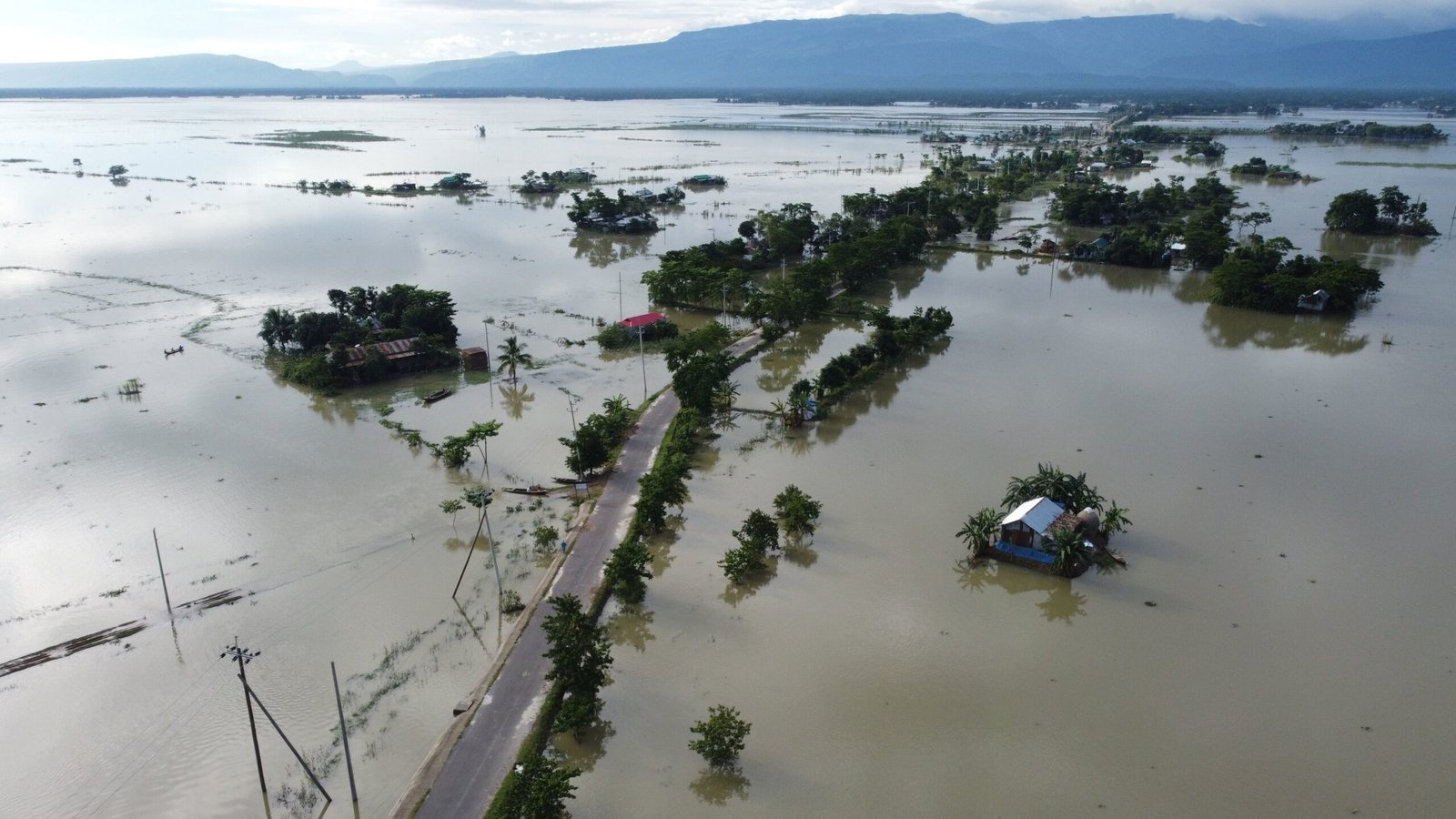
One of the biggest concerns is the performance of the southwest monsoon. Agriculture contributes significantly to India’s rural economy and supports the livelihoods of nearly half the country’s population. Any prolonged rainfall deficit can affect crop production, food supply, and rural incomes. Lower agricultural output generally leads to higher food prices, which in turn fuels inflation across the economy.
The India Meteorological Department (IMD) has forecast an improvement in monsoon activity toward the end of July after several regions experienced below-normal rainfall during the first half of the season. Heavy rainfall alerts have already been issued for parts of Odisha, Chhattisgarh, Kerala, Delhi, and other regions, offering hope that rainfall deficits may gradually narrow.
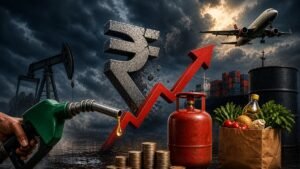
Apart from weather-related concerns, geopolitical tensions in West Asia continue to create uncertainty in international energy markets. India imports more than 80 percent of its crude oil requirements, making the economy vulnerable to sudden increases in global oil prices. Rising fuel costs not only increase transportation expenses but also affect manufacturing, logistics, and household budgets.
Recent data released by the government showed that retail inflation rose to 4.38 percent in June, crossing the RBI’s medium-term target of 4 percent for the first time in over a year. The increase has largely been attributed to higher food prices, fuel costs, and supply chain disruptions linked to international developments. Although inflation remains within the RBI’s tolerance band of 2–6 percent, economists believe sustained price pressures could influence future monetary policy decisions.
The RBI has maintained that its monetary policy decisions will remain data-driven. Governor Malhotra noted that while inflation has increased, there is currently no evidence of widespread or generalized price escalation across all sectors. The central bank will continue monitoring inflation trends, global commodity prices, rainfall patterns, and domestic demand before considering any changes to interest rates.
Despite these risks, India’s economic outlook remains comparatively strong. Public infrastructure spending, robust GST collections, digital payments growth, expanding manufacturing activity, and rising private investment continue to support overall economic momentum. Government initiatives such as the Production Linked Incentive (PLI) schemes, large-scale infrastructure projects, and increasing foreign investment have strengthened confidence among businesses and investors.
Financial experts believe India’s banking sector is also in a healthier position than in previous years. Banks have reported lower non-performing assets (NPAs), stronger capital buffers, and increased lending to businesses and consumers. These factors provide resilience against external economic shocks and help maintain credit availability across the economy.
Economists stress that agriculture will play a decisive role during the second half of the year. A recovery in rainfall over the next few weeks could improve kharif crop production, stabilize food prices, and support rural consumption. Conversely, prolonged rainfall shortages could increase inflationary pressures and slow economic growth.
The government has already intensified its preparedness for potential monsoon-related disruptions. Measures include maintaining adequate seed reserves, strengthening crop insurance coverage, monitoring reservoir levels, and issuing regular advisories to farmers. These initiatives are aimed at minimizing the impact of weather-related uncertainties on agricultural production.
Businesses are also closely monitoring the RBI’s assessment. Stable inflation and moderate interest rates are considered essential for sustaining investment, housing demand, and consumer spending. Companies in sectors such as automobiles, real estate, and manufacturing remain optimistic but are preparing contingency plans in case global uncertainties persist.
Market analysts believe India’s diversified economy, expanding digital ecosystem, and strong domestic demand provide significant protection against external shocks. However, they agree with the RBI that careful policy management will be necessary to balance growth with inflation control.
As India enters the second half of the financial year, attention will remain focused on monsoon performance, global oil prices, inflation trends, and the RBI’s future policy decisions. While challenges remain, policymakers remain confident that prudent fiscal and monetary measures, combined with structural reforms, will help the country maintain its position as one of the world’s fastest-growing major economies.