



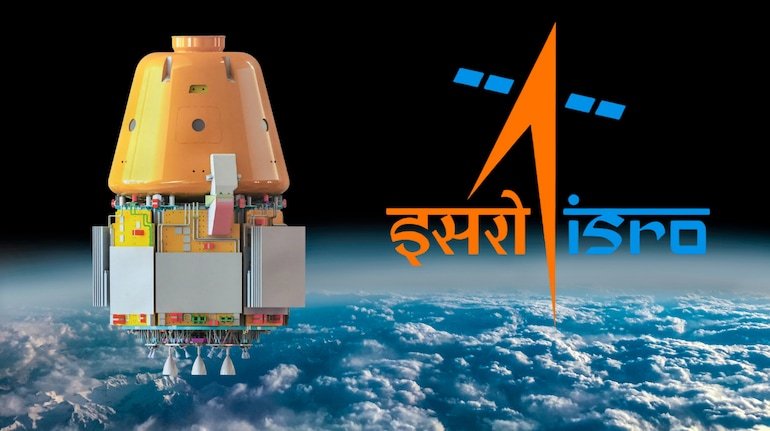
New Delhi, July 18, 2026: India’s ambitious space programme is facing an unexpected challenge as the Indian Space Research Organisation (ISRO) deals with its largest manpower shortage in nearly 25 years. According to recent reports, nearly 30 percent of sanctioned positions remain vacant, raising concerns about the timely execution of flagship missions, including the country’s first human spaceflight programme, Gaganyaan.
The shortage comes at a critical stage when ISRO is simultaneously working on multiple high-priority missions involving human spaceflight, lunar exploration, Mars research, advanced communication satellites, and next-generation launch vehicles. While the organisation has consistently demonstrated its engineering excellence through successful missions such as Chandrayaan-3 and Aditya-L1, maintaining momentum with a reduced workforce has become increasingly challenging.
Government Tightens Exit Rules
In response to the growing number of resignations and voluntary retirements, the Department of Space has introduced stricter regulations governing employee exits from strategic projects. Scientists working on critical missions, particularly Gaganyaan, will now require higher-level approvals before resignations or voluntary retirements are accepted. The move aims to prevent sudden disruptions in nationally important programmes.
Reports indicate that over 100 scientists and technical personnel have left ISRO in recent months. Many experts attribute the departures to increasing opportunities in India’s rapidly expanding private space sector, where companies often offer higher salaries, flexible work environments, and faster career growth.
Gaganyaan Mission Continues to Progress
Despite staffing concerns, ISRO has reassured the government and the public that preparations for the Gaganyaan mission remain on schedule. The organisation recently completed three critical qualification tests for the Crew Module systems, validating essential astronaut safety mechanisms including splashdown recovery, module separation, and parachute deployment systems. These successful tests represent significant milestones before India’s first crewed spaceflight.
Officials have emphasized that astronaut safety remains the highest priority. Additional unmanned missions will be conducted before astronauts are sent into orbit, ensuring every critical system undergoes rigorous validation.
Rising Competition from the Private Space Sector
India’s space ecosystem has undergone a major transformation following the government’s decision to encourage private participation. Several startups are now developing launch vehicles, satellite technologies, Earth observation services, and communication systems.
Industry experts believe this expansion is positive for India’s overall space economy but has also intensified competition for highly skilled engineers and scientists. Many experienced ISRO professionals are reportedly joining private companies where compensation packages and research opportunities are more attractive.
Experts Call for Long-Term Reforms
Space policy analysts argue that restricting resignations alone cannot fully address the manpower issue. They recommend comprehensive reforms that include:
- Faster recruitment of scientists and engineers
- Competitive salary structures
- Improved research infrastructure
- Better career advancement opportunities
- Increased collaboration between academia, industry, and government
Such measures could help retain experienced professionals while attracting young engineering graduates to India’s premier space agency.
Strategic Importance for India
ISRO remains one of the world’s most respected space organisations, known for delivering high-quality missions at comparatively low costs. Its achievements have strengthened India’s position in satellite launches, planetary exploration, navigation systems, and disaster management technologies.
The success of future programmes—including Gaganyaan, advanced communication satellites, reusable launch vehicles, and deep-space exploration—depends not only on technological innovation but also on maintaining a highly skilled scientific workforce.
Looking Ahead
Government officials have expressed confidence that the staffing challenges can be managed through targeted recruitment drives and organisational reforms. Science and Technology Minister Jitendra Singh has stated that employee movement is common in every organisation and that ongoing projects will continue without disruption.
While the current talent shortage presents operational challenges, ISRO’s recent technical achievements demonstrate that India’s space programme continues to make steady progress. Successfully balancing workforce development with ambitious mission timelines will be crucial as the country prepares for its first human spaceflight and expands its role in the global space industry.